


You were never broken. Sexual wellness for perimenopause.
Get my Pleasure Map
Real Talk
Body Safe
Community
Si. Say yes to yourself.


Perimenopause, in their own words.
Real conversations with Australian women in midlife, the starting point for everything we make.


Meet Inara
A gentle air-pressure intimate device designed for bodies that may need more comfort, more time, and less pressure.
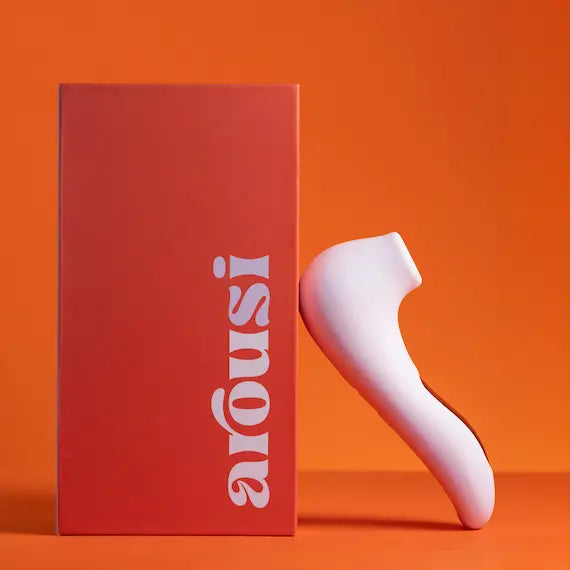


Arousi Inara is designed for comfortable solo use, with gentle air-pressure sensation and a smooth shape that feels soft in the hand.
Gentle comfort
Soft, subtle air-pressure sensation.
Soft, subtle air-pressure sensation.
Your own time
Designed for solo exploration.
Designed for solo exploration.
Whisper quiet
Discreet by design.
Discreet by design.
Body-safe silicone
Smooth, comfortable, easy to clean.
Smooth, comfortable, easy to clean.
- $148.00
- $148.00
- Unit price
- per
If this feels familiar, you are in the right place.
Arousi exists for women who are done with silence and ready for something real.
A few things we're gently opting out of.
Calendar sex→Your own timing
Trying to feel 28 again→The body you have now
"Just use lube"→More than a quick fix
Lawnmower mode→Soft, quiet sensation
Making it a performance→Your own pace
Only the obvious stuff→The skipped-over bits
Guesswork→Lived experience
No pressure. No performance. Just you.


Arriving soon.


Real questions about desire in midlife
What makes the Arousi device ideal for perimenopause?
The Arousi Inara was created just for women in perimenopause. It is not a regular product that was simply rebranded for midlife.It uses air pressure and adjustable vibration speeds, so you can discover what feels best for your body now.
Hormonal changes can affect sensitivity, so what worked before might not feel the same. That is not your fault; it is simply how the body changes.
The Inara is made for this transition. The silicone is very soft and safe for your body. The design is easy to use and welcoming.
There is no pressure to perform or expectation about what you should feel or how fast.
This product is not meant to fix you, because you were never broken. It is here to give you a calm, gentle space where you can explore at your own pace.
Is low libido normal during perimenopause?
Many women experience low libido during perimenopause, but it is rarely talked about. Because of this, it is common to feel like something is wrong with you when it happens.
There is nothing wrong. When estrogen, progesterone, and testosterone change, your body’s response to desire changes too. Arousal that used to come easily might now need more time, a calmer setting, or more context.
With disrupted sleep, stress, and the constant demands of midlife, it is understandable that desire feels quieter.
This is not a failure. It is simply how your body works. What happens next is different for everyone. Desire might not return to how it was before, but that is not always a loss. Sometimes it becomes more thoughtful, more intentional, and more truly your own.
You were never broken. You just did not have the right information.
Can libido come back after menopause?
Yes, and it’s important to say this clearly, since most women never hear it.
A common myth about menopause is that it ends your sexuality. That’s not true.
When your hormones settle, and you start to understand your body as it is now, rather than comparing it to the past, desire often returns. It might not look the same or feel as urgent or spontaneous, but it usually returns.
For many women, desire changes and can even become more interesting. It feels less automatic and more thoughtful. It’s less about performance and more about real connection, first with your own body, and with a partner if you have one. Desire often comes from feeling relaxed and comfortable, not from obligation or expectation.
Menopause doesn’t take away your ability to feel pleasure. It just means you might need to approach it differently. This change takes time.
You may need to let go of old ideas about what should work, what you should want, and how quickly desire should appear. But your capacity for pleasure is still there. It didn’t go away. It just changed.
Why do I feel numb or disconnected during sex?
Many women in perimenopause feel numb or disconnected during sex. Most keep it to themselves. Some have lived with it for years, quietly wondering if this is just how things are now.
This is not a personal failing. It is about your body, and it is something you can learn from.
When estrogen drops, it affects blood flow, nerve sensitivity, and natural lubrication. Sensations that used to feel normal might now seem dull, unpredictable, or even missing. Your nervous system matters, too. If sex has felt uncomfortable or pressured, your body might have learned to tense up or shut down to protect you. This does not mean your body is broken. It is just how bodies respond to stress.
Numbness does not have to be the end of your story. Gentler touch, taking more time, using the right lubricant, and letting go of performance expectations can all help.
If numbness continues or comes with pain, a menopause-aware healthcare provider or pelvic floor physiotherapist can also make a difference. It is worth seeking help. You are not overreacting for wanting answers.
You deserve a practitioner who takes your concerns seriously. If the first one does not, keep looking until you find someone who does.
How do I start reconnecting with my desire if it feels distant?
The first step is easier than you might expect. You don’t need a program or a set routine. What matters is giving yourself permission to be curious about your body, without expecting it to act or respond in any certain way. That really is enough to begin.
After that, take things slowly. Try gentle self-touch without any specific goal. Use a good water-based lubricant if you like. Pay attention to what feels neutral, comfortable, or at least not unpleasant.
You’re not trying to achieve anything, just noticing what your body is open to and what might need more time. This isn’t about returning to how things were before perimenopause.
Desire felt different then because your hormones were different. Now, you can create something more thoughtful, patient, and truly your own.
If you have a partner, having an honest talk about how you’re feeling can help more than any technique. When you take away the unspoken pressure, everything can shift. If nothing feels possible right now, that’s okay, that’s information, not failure.
Desire grows when your body feels respected, not rushed or forced, and not performing for anyone, even yourself. Begin with that.
Can gentle intimate tools support solo exploration?
It depends on the tool, the setting, and how you use it. Some devices are designed around intensity, while others are better suited to slower, gentler exploration.
Inara was created for women who want a softer way to reconnect with pleasure at their own pace. It uses gentle air pressure and adjustable vibration settings, so you can explore different sensations without pressure to perform, rush, or reach a particular outcome.
It is not a treatment for low libido, pain, numbness, dryness, or any medical concern. But it can offer a private, comfortable way to notice what feels good now.
Take your time. Use a quality water-based lubricant. Focus on comfort, curiosity, and what feels right for your body today.
Is the Arousi device safe for sensitive or dry skin?
Yes, the Inara is made from food-safe silicone and does not contain phthalates, BPA, or latex. Its body-safe design is intentional from the start.
Perimenopause can cause changes like dryness and increased sensitivity. That is why the silicone finish is soft, and the edges are gentle. The design takes into account that your body may not be the same as it was ten years ago.
Always use a water-based lubricant. It helps protect delicate tissue, adds comfort, and is gentler on skin that needs extra care. Silicone-based lubricants do not work with silicone toys, so water-based options are best.
If you have a medical concern or known sensitivity, it is a good idea to check with a healthcare provider who understands menopause before using this product.
This is practical advice, not just a disclaimer.
How is Arousi different from other sexual wellness brands?
Most sexual wellness brands were not made with you in mind. They were designed for younger bodies with different hormonal needs, then sold to everyone and wrapped in pink packaging.
Arousi was created just for women in perimenopause. It was not adapted or rebranded. From the start, it was made for this stage of life by a woman who went through it herself and could not find anything that truly met her needs. This changes what the product does.
The Inara uses air-pressure stimulation and adjustable vibration speeds because sensitivity varies during perimenopause. Most vibration products no longer meet the body’s needs at this stage.
Most brands do not take the time to explain this. It also changes how we talk about our product. We do not use performance language or make promises we cannot keep. We do not assume you need more intensity, more urgency, or a quick fix to return to your old self.
Here, you will find honest information, a product made with real care for a changing body, and a voice that respects your experience instead of treating it as a niche or an afterthought.
You have never been the problem. You just have not been the priority. Arousi is here to change that.
Can I talk to someone if I have more questions about intimacy or perimenopause?
Yes. And we mean that genuinely, not as a customer service formality.
If you have questions about perimenopause, intimacy, or the Inara, you can contact us by email or via phone. No question is too small, too personal, or too late to ask. We have heard almost everything, and nothing will surprise us.
We understand it might feel odd to ask a brand about something so personal. But every message is read by a real person who understands your concerns and takes them seriously.
We want to be clear that we are not medical professionals, and we do not give medical advice. If you have serious symptoms or specific health concerns, it’s best to talk to a menopause-aware healthcare provider or a pelvic floor physiotherapist.
If you are unsure where to begin, we can help guide you. Contact us whenever you feel ready.
Where can I read more real stories about women and desire in midlife?
Real Talk is Arousi's journal, written by our founder Martina.
Here, she shares her honest experiences and knowledge about perimenopause. You’ll also find in-depth conversations with experts who truly understand what your body is going through at this stage of life. There’s no generic wellness advice or dismissal, just clear, thoughtful writing that names your experience and takes it seriously.
If you have been searching for language that finally makes sense of what you are feeling, start there.
We also have a private Facebook group called Perimenopause: The Inner Circle by Arousi. It’s a space where women can ask questions they might not feel comfortable asking elsewhere, share what’s really happening, and discover they’re not as alone as they thought.
- Choosing a selection results in a full page refresh.
